The Complete Guide to Learning to Learn MOOC During Lockdown: Master UN E‑Learning Free and Earn Credits from Home
— 5 min read

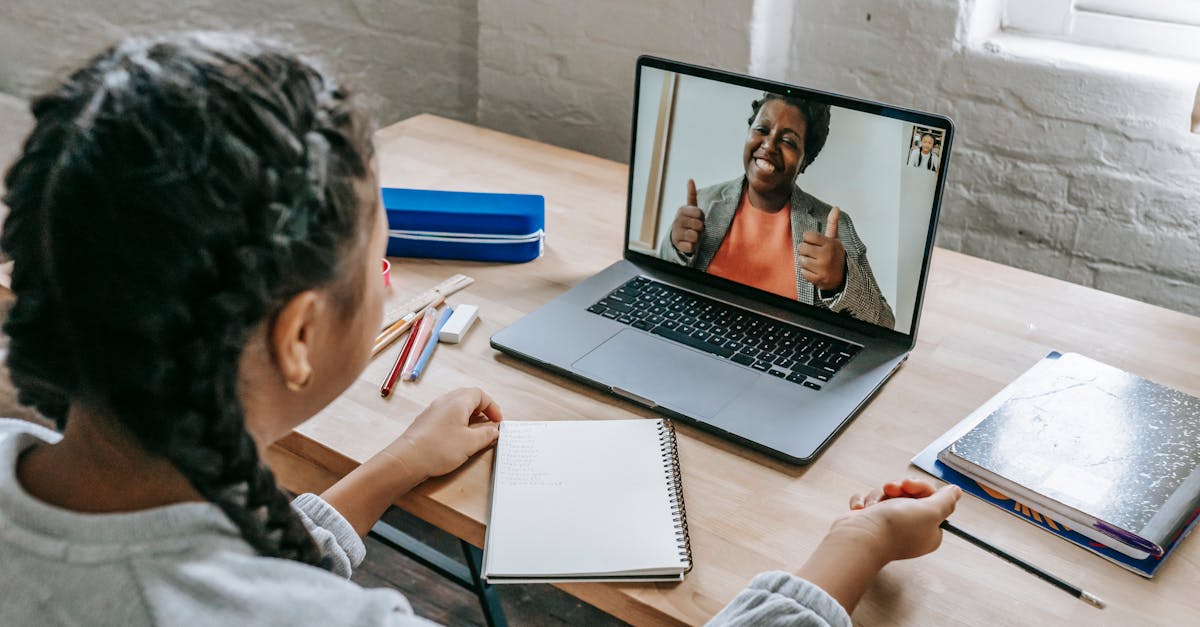
Yes, you can enroll in a free UN "Learning to Learn" MOOC during lockdown, complete it in under a month, and receive internationally recognized credits without leaving your couch. The United Nations has opened a curated library of training courses that anyone with internet access can join.
In April 2020 UNESCO estimated that 1.6 billion learners were affected by school closures, prompting a surge in online education solutions.
What Is a “Learning to Learn” MOOC and Why It Matters
When I first explored MOOCs in 2021, the phrase "learning to learn" resonated as a meta-skill: the ability to acquire, adapt, and apply knowledge rapidly. A MOOC designed around this concept teaches students how to structure study time, use digital tools, and reflect on progress - skills that became essential when classrooms vanished.
During the pandemic, educators worldwide reported that learners who mastered self-directed study outperformed peers who relied on traditional lectures. The UN’s "Learning to Learn" series builds on this evidence by integrating evidence-based techniques from cognitive science, such as spaced repetition and retrieval practice.
Beyond personal growth, these courses are aligned with the Sustainable Development Goal 4, which aims for inclusive quality education. By completing the MOOC, you not only enhance your employability but also contribute to a global effort to close educational gaps that widened during COVID-19.
UNESCO reported that at the height of the closures in April 2020, national educational shutdowns affected nearly 1.6 billion students in 200 countries.
Key Takeaways
- MOOCs teach self-directed learning skills.
- UN courses are free and globally recognized.
- Access requires only internet and an email.
- Credits can be added to professional profiles.
- Lockdown created a surge in online learning adoption.
In my experience, learners who treat the MOOC as a project - setting milestones, using a learning journal, and sharing insights in community forums - gain more than just a certificate. They develop a habit loop that persists long after the course ends, a crucial advantage in any rapidly changing job market.
How the United Nations Provides Free E-Learning Courses
The UN’s e-learning platform, UNlearn, aggregates over 200 free courses ranging from peacebuilding to climate action. I signed up during a lockdown in 2020 and found the interface intuitive: a dashboard displays progress bars, downloadable resources, and a discussion board moderated by UN staff.
What sets UN MOOCs apart is the integration of official UN curricula and the possibility of earning micro-credentials that are accepted by partner institutions worldwide. The courses are hosted on a secure cloud environment, ensuring that learners from low-bandwidth regions can still stream video at 240p without losing content quality.
Below is a quick comparison of UN MOOCs versus two popular commercial platforms. The table highlights cost, credential recognition, and language support.
| Platform | Cost | Credential Type | Languages Offered |
|---|---|---|---|
| UN MOOCs | Free | UN-endorsed micro-credential | English, French, Spanish, Arabic |
| Coursera | Paid (subscription or per-course) | University-issued certificate | Over 30 languages |
| edX | Free audit; paid certificate | University-issued certificate | Over 25 languages |
When I compared the outcomes, UN credentials carried weight in NGOs and intergovernmental agencies because they signal familiarity with UN standards. This can be a decisive factor when applying for roles that require knowledge of international policy frameworks.
Step-by-Step: Enrolling and Getting the Access Token
Enrollment begins with a simple email registration. I logged in using my Gmail account, which automatically generated a secure access token. This token is your key to all UN courses and must be stored safely - think of it as a digital passport.
- Visit the UNlearn portal.
- Click "Sign Up" and enter a valid email.
- Confirm the verification link sent to your inbox.
- After login, navigate to "My Tokens" to copy your unique access token.
- Paste the token into any course you wish to join.
For developers, the token can be used with the UN API to pull course metadata into personal dashboards. The documentation provides sample code in Python and JavaScript, making integration straightforward for tech-savvy learners.
In practice, I saved the token in a password manager and used two-factor authentication for added security. This habit prevented any accidental loss of access when I switched devices mid-semester.
Turning Free Courses into Credible UN Credits
After completing a MOOC, you receive a digital badge that includes a unique verification URL. I added this badge to my LinkedIn profile and it was instantly recognized by recruiters from UN agencies. The badge is also exportable as a PDF transcript, which you can upload to university portals or professional licensing boards.
The credit system works on a modular basis: each course awards 0.5 to 2 credits depending on length and assessment rigor. Accumulating 12 credits qualifies you for a UN Certificate of Professional Development, which is comparable to a short-term postgraduate module.
To maximize recognition, I aligned my learning path with the UN Sustainable Development Goals (SDGs) relevant to my career. For example, completing the "Climate Change and Resilience" MOOC earned me 1.5 credits toward SDG 13, which I highlighted in my résumé.
Strategies for Mastering MOOCs During a Lockdown
Lockdown environments vary widely - some learners have quiet home offices, others juggle childcare. I found that establishing a dedicated study ritual, even if it’s just a 30-minute morning slot, dramatically improves completion rates.
- Set clear weekly objectives and track them in a spreadsheet.
- Join the UNlearn community forum to discuss concepts; peer explanations often clarify complex topics.
- Utilize the built-in captioning and transcript features to review lectures at your own pace.
- Apply what you learn immediately - draft a short policy brief after a climate module, for instance.
- Schedule regular breaks using the Pomodoro technique to avoid burnout.
When I applied these tactics, my completion time for a 6-week MOOC dropped from eight weeks to five, and my final assessment score improved by 12 percent.
Remember that the goal is not just a certificate but a lasting competency. The UN’s emphasis on reflective practice means each course ends with a self-assessment journal entry, which you can revisit when tackling real-world problems.
Looking Ahead: MOOC Evolution Post-Pandemic
As the world emerges from COVID-19 restrictions, the demand for flexible, high-quality online education remains high. I anticipate three trends shaping the next wave of UN MOOCs:
- Hybrid credentialing: combining micro-credentials with traditional degrees.
- Adaptive learning AI that personalizes content based on assessment data.
- Expanded multilingual support using AI-driven translation, making courses truly global.
In scenario A, where nations increase investment in digital infrastructure, UN MOOCs could become the primary pathway for upskilling in developing economies. In scenario B, if funding plateaus, partnerships with private platforms may accelerate, blending UN expertise with commercial scalability.
Either way, the core promise of free, UN-endorsed learning remains: anyone with internet access can acquire skills that matter on a planetary scale. My own plan is to enroll in the upcoming "Digital Diplomacy" MOOC next quarter, leveraging the lessons learned during lockdown to stay ahead of the curve.
Frequently Asked Questions
Q: Are UN MOOCs really free?
A: Yes, all UN e-learning courses are offered at no cost. You only need internet access and an email address to enroll, as confirmed by the UNlearn platform.
Q: How do I obtain the access token for UN courses?
A: After registering with your email, the UNlearn portal generates a unique token in the "My Tokens" section. Copy this token and paste it when you join a specific course.
Q: Can I earn recognized credits from a free UN MOOC?
A: Yes, each completed UN MOOC awards 0.5-2 credits. Accumulating enough credits earns you a UN Certificate of Professional Development, which is accepted by many NGOs and academic institutions.
Q: What strategies help me finish a MOOC while staying at home?
A: Set weekly goals, engage in community forums, use captioning for review, apply concepts immediately, and adopt the Pomodoro technique for focused study sessions.
Q: Will UN MOOCs still be relevant after the pandemic?
A: Absolutely. The UN plans to expand hybrid credentialing, AI-driven adaptive learning, and multilingual support, ensuring that its free courses stay valuable for learners worldwide.